

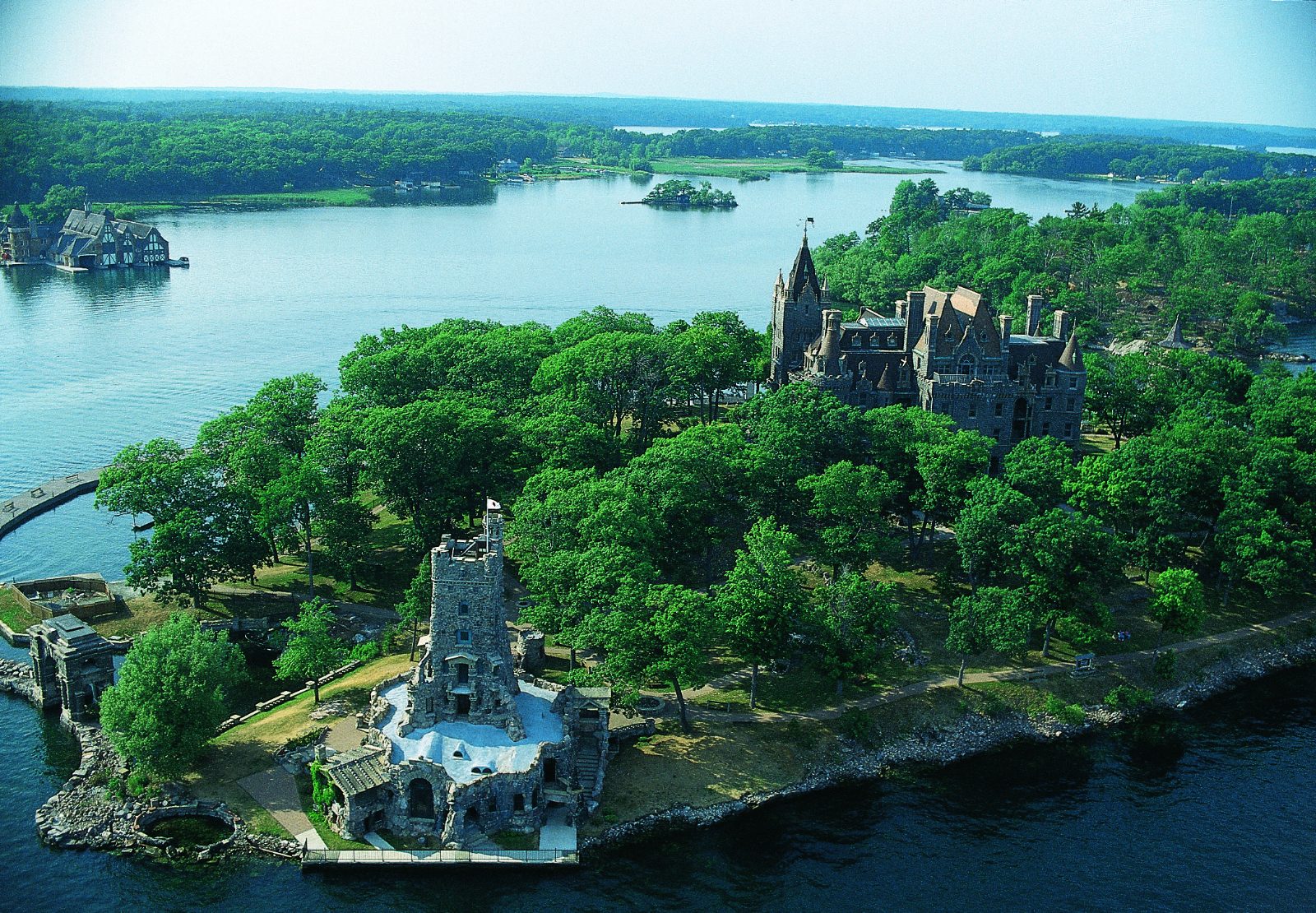
Quick answer
Boldt Castle & Boldt Yacht House are two separate historic structures operated as a single visitor experience in the Thousand Islands. The castle occupies Heart Island, accessible by shuttle boat from Alexandria Bay, while the yacht house sits on Wellesley Island, reachable by car via the Thousand Islands Parkway. Admission is $14 per adult and grants access to both sites. Both properties open daily at 10:30 and close at 18:30 during the operating season.
George Boldt never completed the castle—construction halted in 1904 when Louise died, and he never returned to Heart Island. The yacht house, by contrast, was finished and operational, housing the family's fleet of wooden vessels and serving as a functional hub for their island life. Today that contrast defines the visitor experience: the castle is a ruin brought back from abandonment, its towers and gardens restored by the Thousand Islands Bridge Authority since 1977, while the yacht house presents a finished Gilded Age boathouse with original hoist mechanisms and period watercraft on display. Boldt Castle & Boldt Yacht House occupy separate islands three miles apart. Heart Island has no road access—visitors arrive by private boat or by shuttle from Alexandria Bay, Clayton, or Gananoque. The yacht house sits on Wellesley Island adjacent to the interstate bridge, accessible by car from either the U.S. or Canadian side of the border. Most visitors tour the castle first, then drive to the yacht house, though the reverse order works equally well. Both sites share the same admission ticket and operating schedule. The architectural scale differs markedly. The castle is a 120-room Rhineland-style mansion with formal gardens, a powerhouse, and Alster Tower—a separate structure Boldt built for his daughter. The yacht house is a three-story timber frame structure designed to store and service pleasure craft, with living quarters above the boat bays. Its hoist system, which lifted vessels from the water for winter storage, remains intact and operational for demonstration purposes. The building now houses a collection of antique wooden boats, period photographs, and interpretive exhibits detailing the construction and abandonment of the Boldt estate. The dual-site model emerged after the Bridge Authority acquired both properties and began restoration work. The yacht house opened to the public in 1996, two decades after the castle welcomed its first post-abandonment visitors. Revenue from admissions funds ongoing preservation—the castle's roof, stonework, and interior finishes continue to be restored using period-appropriate materials and methods. The yacht house requires less intensive conservation but serves as the interpretive anchor for understanding the estate's original scope and Boldt's vision for a private island retreat.
“George Boldt never returned to Heart Island after Louise's death—the castle remained unfinished for 73 years.”
Operating Schedule for Boldt Castle & Boldt Yacht House
Boldt Castle and the Boldt Yacht House operate on a consistent schedule throughout the week to provide access to both Heart Island and the nearby yacht house facilities.
| Monday | 10:30–18:30 | |
|---|---|---|
| Tuesday | 10:30–18:30 | |
| Wednesday | 10:30–18:30 | |
| Thursday | 10:30–18:30 | |
| Friday | 10:30–18:30 | |
| Saturday | 10:30–18:30 | |
| Sunday | 10:30–18:30 |
Key Features of Boldt Castle & Boldt Yacht House
The Boldt property encompasses two distinct locations: the primary residence on Heart Island and the nearby yacht house on Wellesley Island. Exploring both reveals the contrast between the elaborate residential architecture and the industrial scale of the maritime facilities.
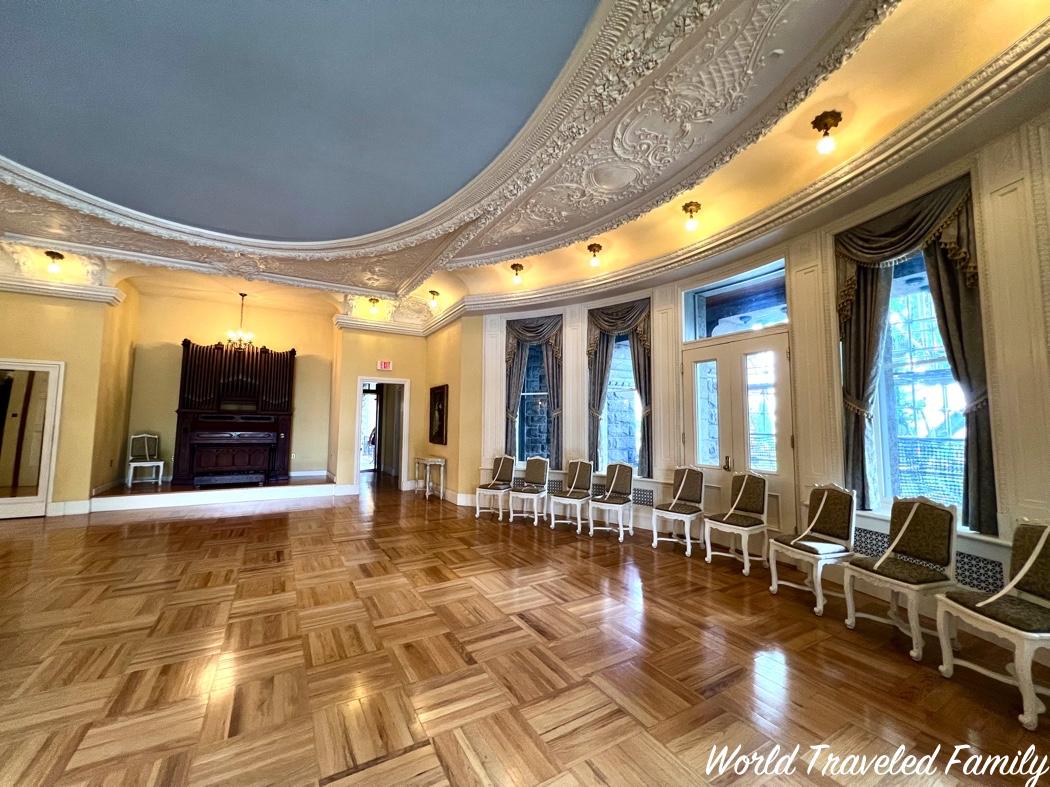
Boldt Castle Grand Hall
The primary entrance features a soaring ceiling and grand staircase designed for formal arrivals.
View the ceiling detail from the center of the floor.
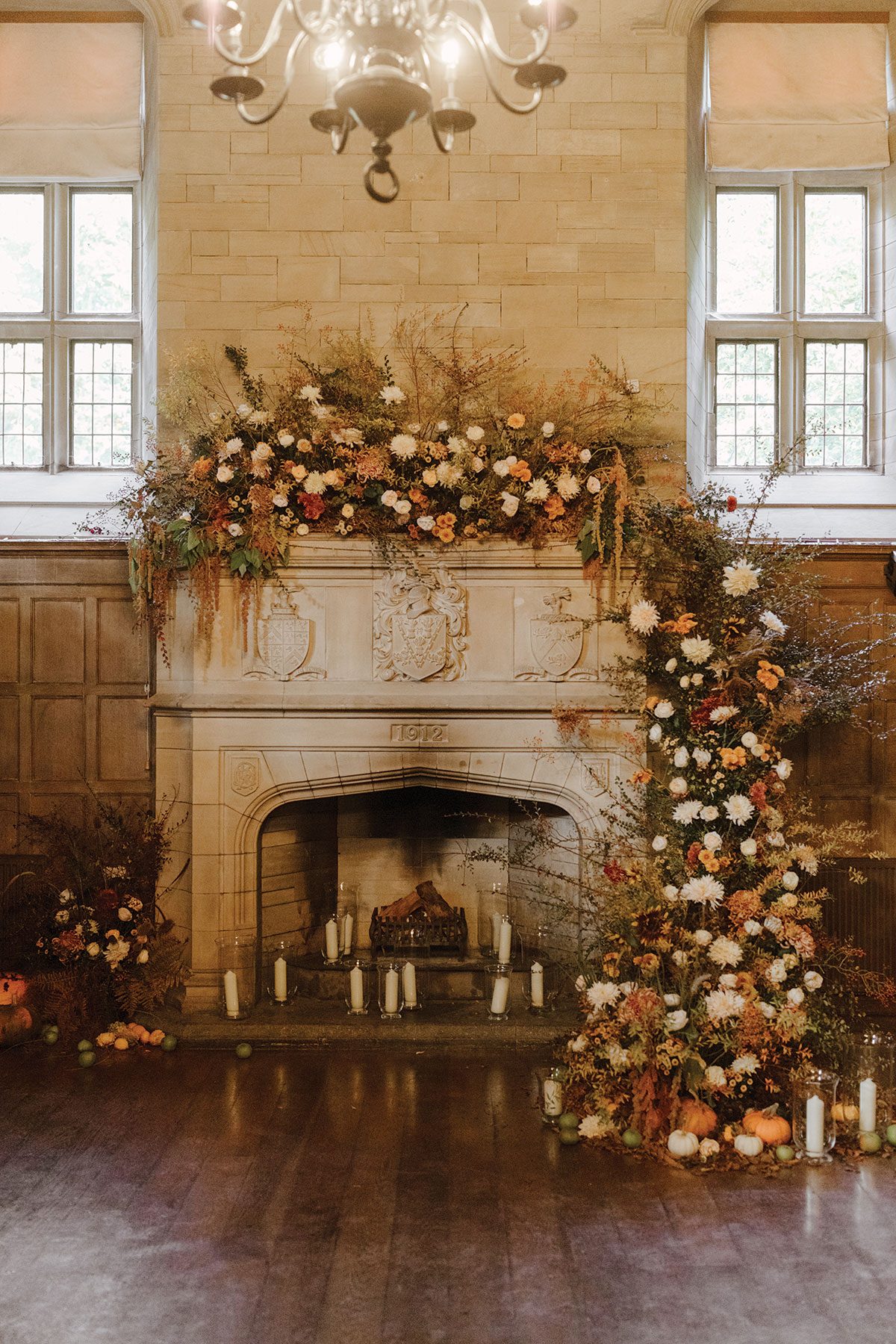
Boldt Castle Ballroom
This expansive space was intended for high-society gatherings and displays intricate stonework.
Look for the fireplace carvings along the north wall.
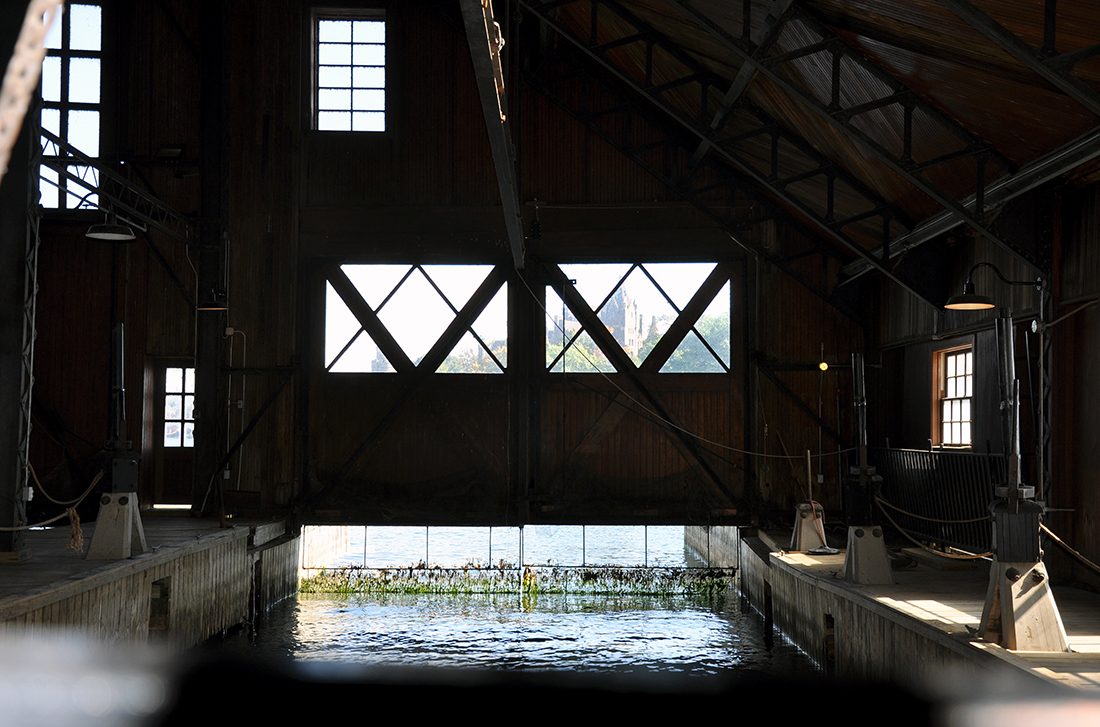
Boldt Yacht House
Located on Wellesley Island, this massive structure housed the family’s collection of luxury watercraft.
Walk the full length of the main slip to see the scale.
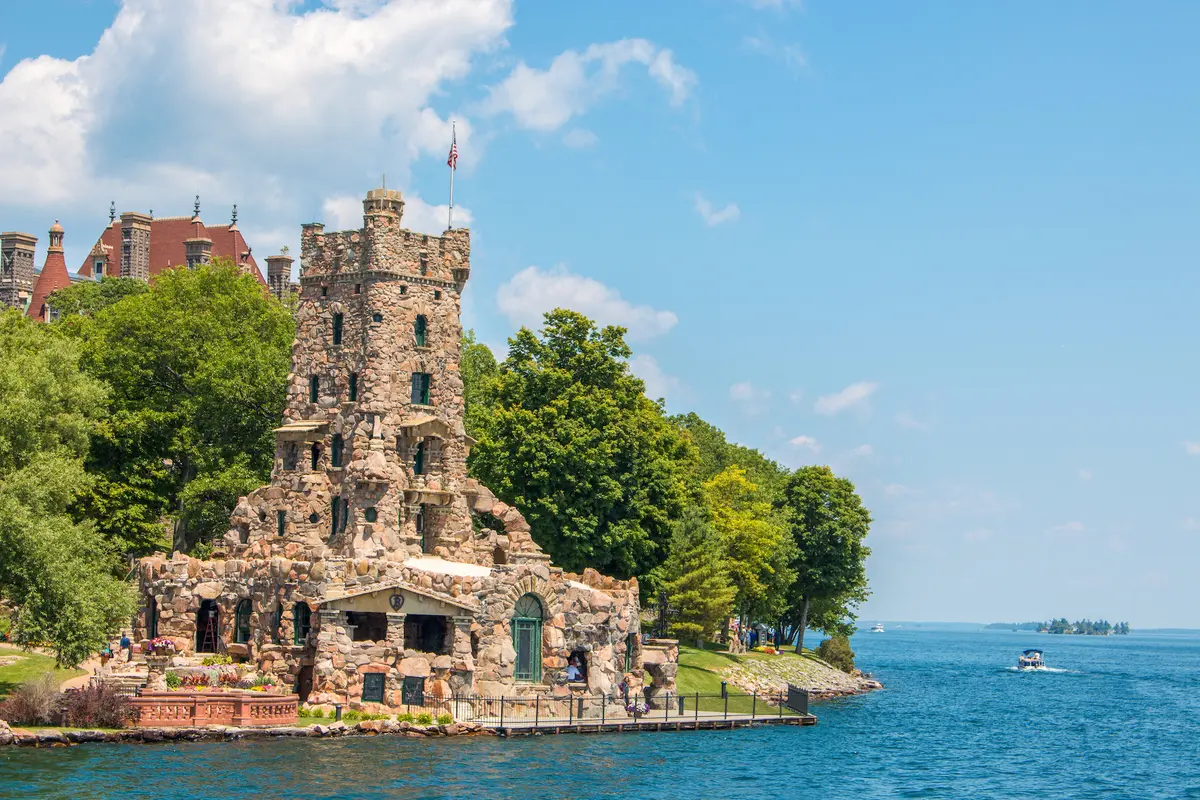
Alster Tower
This playhouse mimics a medieval fortification and provides a unique perspective of the surrounding river.
Observe the tower from the lower terrace for the best exterior view.
The Historical Development of Boldt Castle & Boldt Yacht House
George C. Boldt, proprietor of the Waldorf-Astoria Hotel in New York, commissioned architect G. W. Hewitt in 1900 to transform Heart Island into a Rhineland-style castle for his wife, Louise. Construction began with 300 workers reshaping the island's terrain and erecting a six-story granite structure. Simultaneously, Boldt acquired Wellesley Island's northern shore to build a yacht house and service complex. The yacht house, completed in 1902, featured a three-story tower, covered boat slips, and living quarters for staff who maintained the family's fleet. Louise Boldt died in January 1904. George immediately halted all work on boldt castle & boldt yacht house, leaving tools where they lay. The castle stood roofless and unfinished for seventy-three years. Vandals stripped fixtures, weather eroded stonework, and the yacht house's tower deteriorated. In 1977 the Thousand Islands Bridge Authority assumed ownership and launched a phased restoration funded entirely by admission revenue. Masons rebuilt collapsed walls, carpenters reconstructed the yacht house's upper floors, and artisans replicated original carved details using archival photographs. Today visitors walk through the castle's restored ground-floor rooms, where herringbone parquet and Circassian walnut paneling reflect the 1900s craftsmanship. The yacht house retains its original boat slips and now displays period watercraft. Stone passageways connect the tower to the main structure, and the second-floor recreation hall shows where Boldt's children once played. Both sites preserve the contrast between completed pre-1904 sections and spaces frozen mid-construction, offering a tangible record of ambition interrupted and gradually reclaimed.
George C. Boldt purchases Heart Island and commissions architect G. W. Hewitt to design a Rhineland-style castle for his wife Louise.
Three hundred workers reshape the island, erect the six-story granite castle structure, and complete the yacht house on Wellesley Island with covered boat slips and a three-story tower.
Louise Boldt dies in January; George halts all construction immediately, leaving both sites unfinished.
The abandoned castle and yacht house suffer vandalism and weather damage over seventy-three years of vacancy.
The Thousand Islands Bridge Authority assumes ownership and begins phased restoration funded by visitor admission fees.
Masons rebuild stonework, carpenters reconstruct yacht house floors, and artisans restore carved details using archival photographs, gradually reopening rooms to the public.
Optimizing Your Visit to Boldt Castle & Boldt Yacht House
To experience Boldt Castle and the Boldt Yacht House with minimal congestion, visitors should aim for the arrival window of 10:30–17:30. This timeframe allows sufficient duration to tour both Heart Island and the yacht house while avoiding mid-day peak periods.
Weekday mornings
Low crowd density—
Arriving at opening ensures the shortest wait times for exhibits.
July and August
Highest visitor volumeWarm with temperatures 75°F–85°F
Expect heavier ferry traffic and busier walkways during these peak summer months.
September and October
Moderate crowdsCooler with temperatures 55°F–70°F
The fall foliage provides a calm backdrop, and visitor numbers typically decrease after Labor Day.
Verdict: The best opportunity for a quieter tour is Tuesday to Thursday, arriving at 10:30 in either May or September.
Check availability
Frequently Asked Questions About Boldt Castle & Boldt Yacht House
Everything you need to know about boldt castle & boldt yacht house